Traditional Lumbung Padi Bali: A Timeless Architectural Treasure by Roots Tree House

When you think of Bali, images of lush greenery, serene landscapes, and rich cultural heritage often come to mind. Among the island’s most iconic yet often overlooked structures is the Traditional Lumbung Padi Bali—a symbol of sustainability, craftsmanship, and community living. At Roots Tree House, we believe in celebrating such timeless designs that inspire modern living while staying connected to nature.
What Is a Traditional Lumbung Padi Bali?
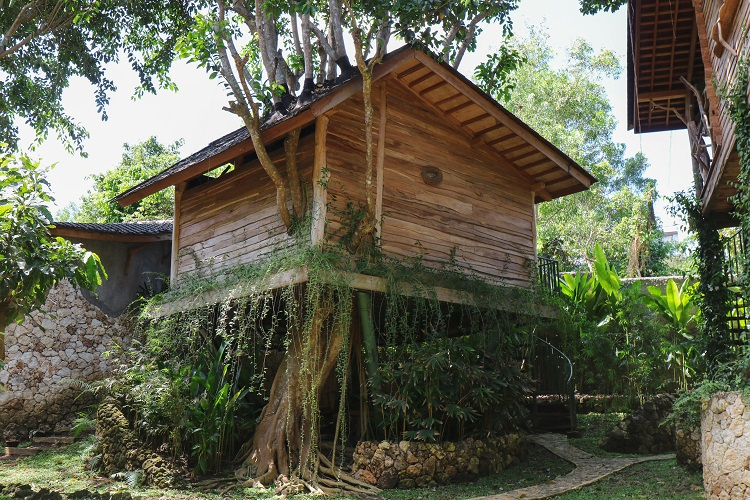
A Lumbung Padi is a traditional Balinese rice barn used to store harvested rice. These structures are not just functional—they are deeply rooted in Bali’s agricultural traditions and spiritual beliefs. Elevated on wooden stilts with a distinctive thatched roof, the Lumbung is designed to protect rice from moisture, pests, and floods. But beyond its practical purpose, the Lumbung reflects the Balinese philosophy of harmony between humans, nature, and the spiritual world—something that continues to influence modern eco-conscious design.
Unique Architectural Features
One of the most striking aspects of the Traditional Lumbung Padi Bali is its thoughtful design:
Elevated Structure: Built on stilts to improve airflow and protect against ground moisture and animals.
Thatched Roof: Typically made from alang-alang grass, offering natural insulation and durability.
Open-Air Platform: The lower space is often used for resting or socializing, creating a multifunctional living area.
Natural Materials: Wood, bamboo, and grass are used extensively, making the structure eco-friendly and sustainable.
These features not only serve practical needs but also create a visually stunning and calming environment—perfect for modern adaptations like treehouses and eco-resorts.
Cultural and Spiritual Significance
In Bali, rice is more than just a staple food—it is sacred. The Lumbung is often associated with Dewi Sri, the goddess of rice and fertility. This spiritual connection elevates the structure beyond a storage unit, making it a symbol of prosperity and gratitude.
For travelers and homeowners alike, understanding this cultural depth adds a new level of appreciation. At Roots Tree House, we embrace these values by incorporating mindful design elements that respect both tradition and environment.
Modern Adaptations in Sustainable Living
Today, the Traditional Lumbung Padi Bali has inspired a new wave of eco-friendly architecture. Designers and builders are reimagining these rice barns into:
Treehouse accommodations
Eco-resort villas
Minimalist living spaces
Yoga and meditation retreats
These adaptations retain the original charm while offering modern comfort. The elevated design, natural ventilation, and use of organic materials make Lumbung-inspired spaces ideal for sustainable tourism and mindful living.
Roots Tree House draws inspiration from such traditional concepts to create unique stays that blend comfort with authenticity. By integrating natural materials and open designs, we aim to offer experiences that are both luxurious and grounded in nature.
Why the Lumbung Design Matters Today
In a world increasingly focused on sustainability, the Traditional Lumbung Padi Bali offers valuable lessons:
Energy Efficiency: Natural cooling reduces the need for air conditioning.
Sustainability: Locally sourced materials minimize environmental impact.
Connection to Nature: Open designs encourage a deeper relationship with the surroundings.
For US travelers seeking unique and eco-conscious experiences, Lumbung-inspired stays provide a refreshing alternative to conventional accommodations.
Final Thoughts
The Traditional Lumbung Padi Bali is more than a relic of the past—it’s a blueprint for the future. Its blend of functionality, beauty, and sustainability makes it incredibly relevant in today’s world. At Roots Tree House, we celebrate these timeless traditions by bringing their essence into modern living spaces. Whether you’re planning a trip or simply exploring sustainable design ideas, the Lumbung offers inspiration that is both meaningful and enduring.


Comments